Are Black Pearls Real? How Tahitian Pearls Are Formed
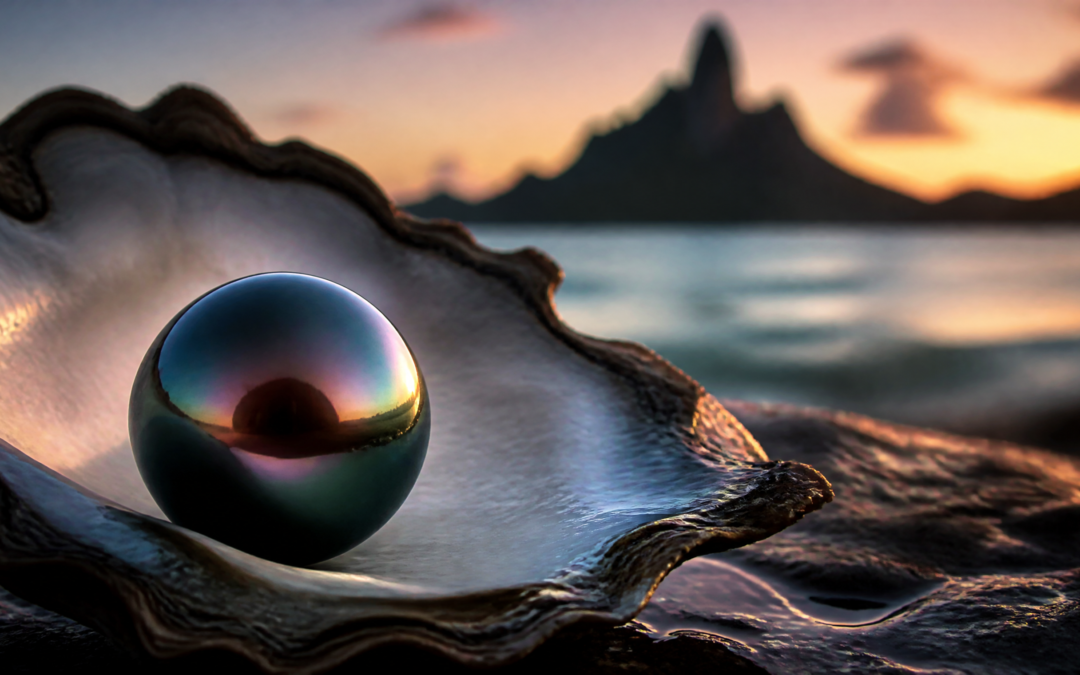
Yes — and here’s what makes them genuine. A Tahitian pearl begins inside Pinctada margaritifera, the black-lipped oyster found only in the lagoons of French Polynesia. A small nucleus is inserted into the oyster’s mantle tissue, and over 18 months to 3 years, the oyster slowly coats it in layer upon layer of nacre — the same iridescent substance that lines its own shell. No dye, no treatment: the pearl’s dark color comes entirely from the oyster itself. That’s also the simplest way to spot a fake — any “black pearl” not grown in a Pinctada margaritifera oyster in French Polynesia has been artificially dyed or irradiated, and treated nacre fades in a way a genuine Tahitian pearl never will. Every Tahia Pearls piece ships with a certificate confirming French Polynesian origin, natural color, and a minimum nacre thickness of 0.8mm — signed by our pearl experts, so you’re never guessing.
Born in the Lagoon of Fakarava
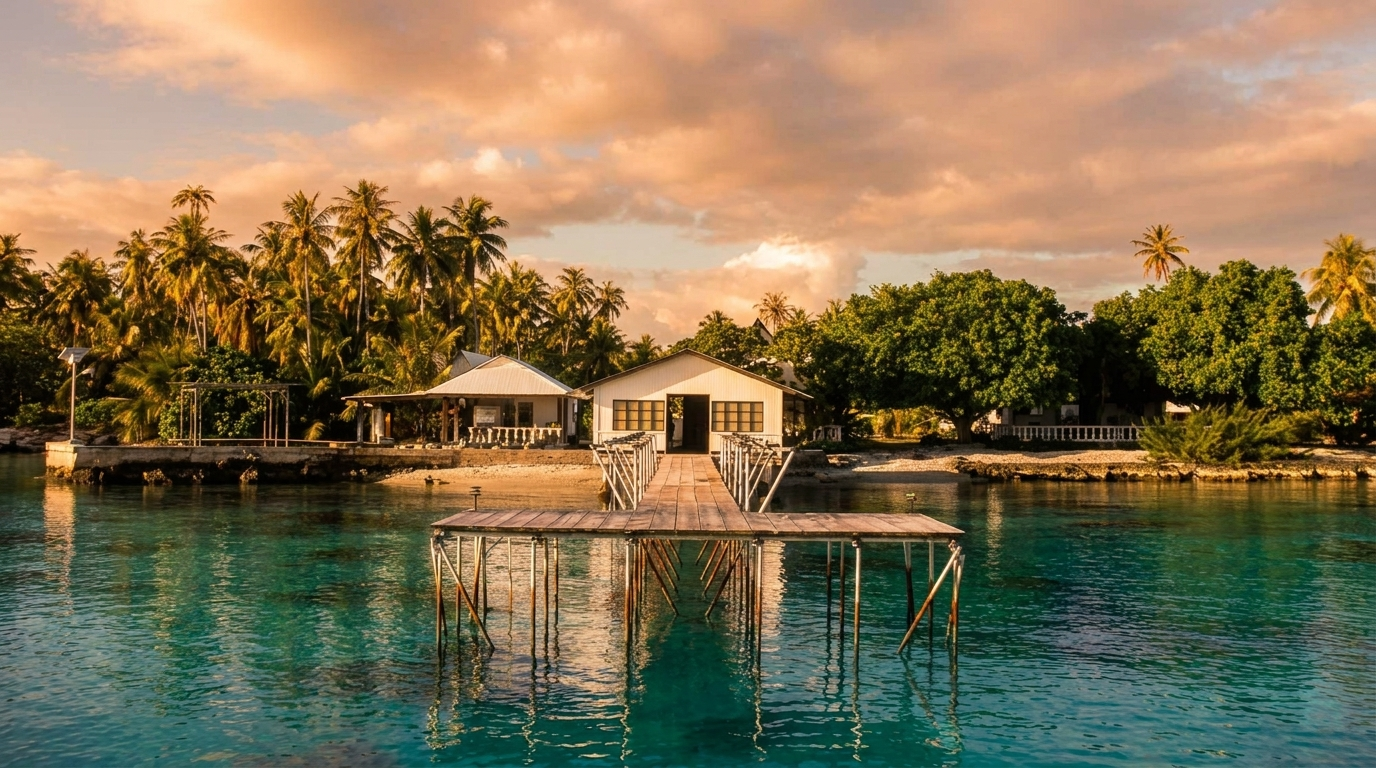
Most Tahitian pearls are never actually farmed near the island of Tahiti itself — the real cultivation happens further out, in remote atolls where clear, nutrient-rich water and near-untouched reefs create ideal growing conditions. Tahia’s pearls are sourced primarily from the Fakarava Pearl Dreams farm, where our founder, Tahia, personally selects more than 13,000 pearls every year. If you want to see what that environment actually looks like, our Fakarava pearl farm page walks through the lagoon, the oyster lines, and the harvest itself — the closest thing to visiting without booking a flight.
The Color Range: What “Black” Really Means
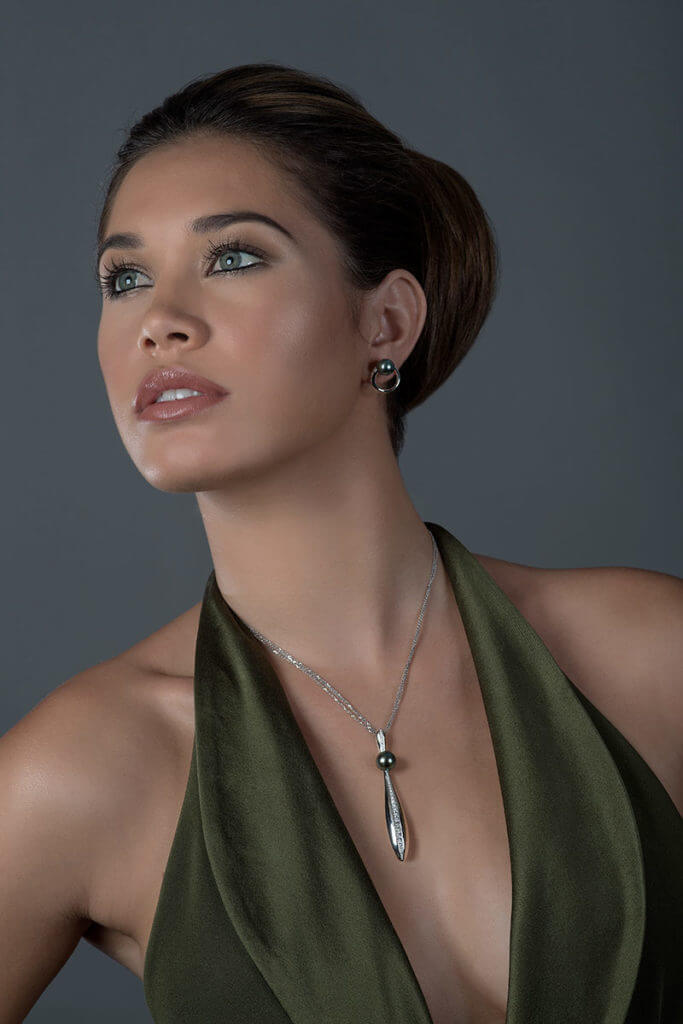
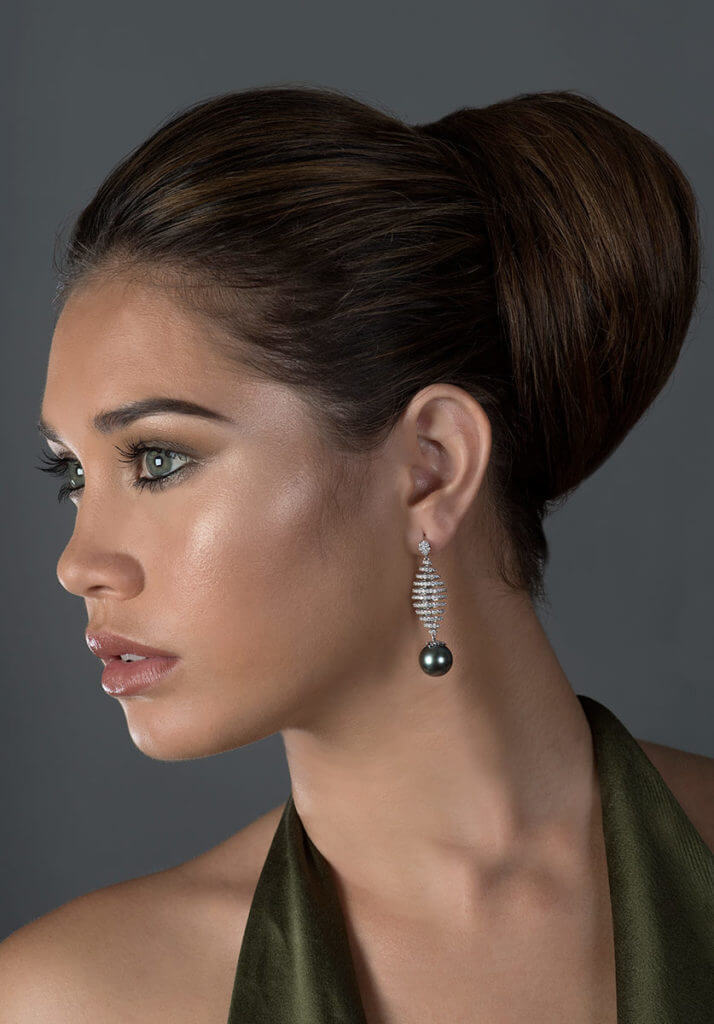
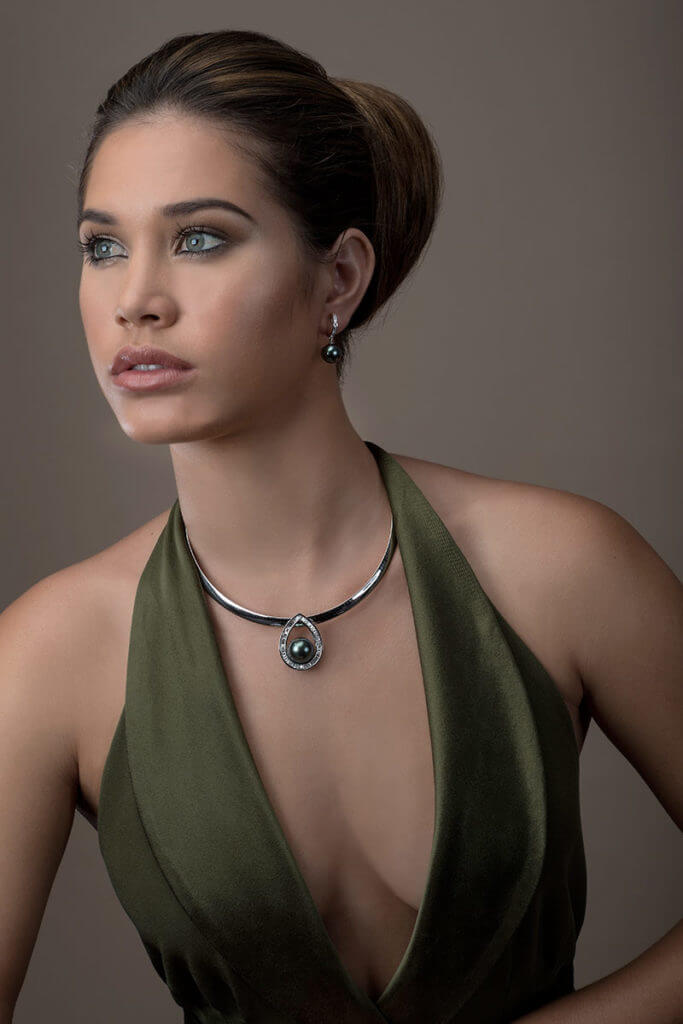
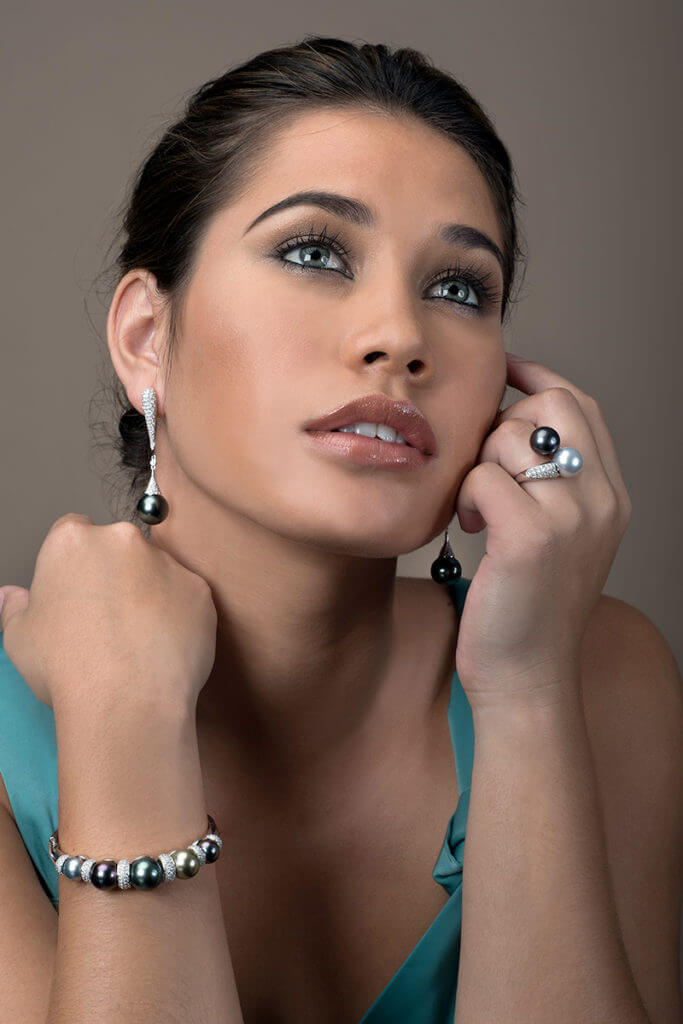
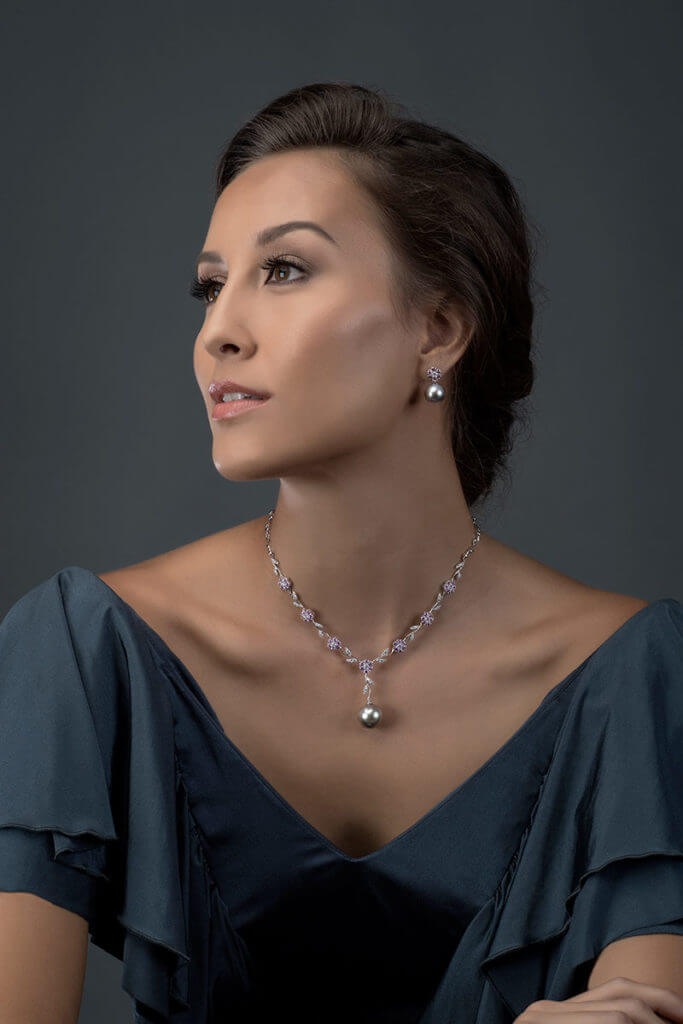
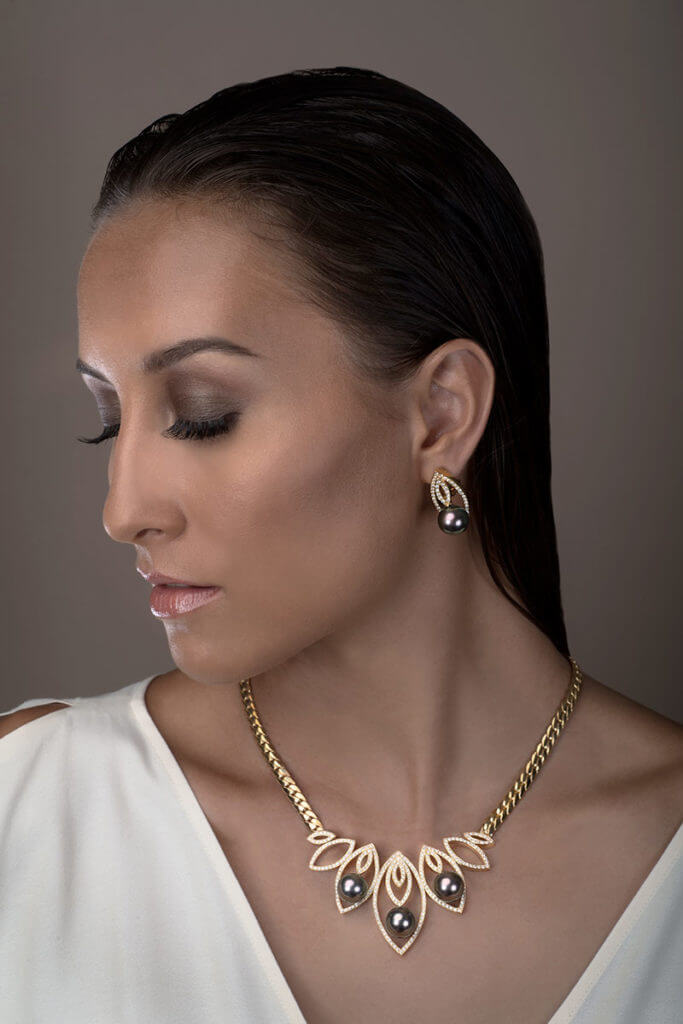
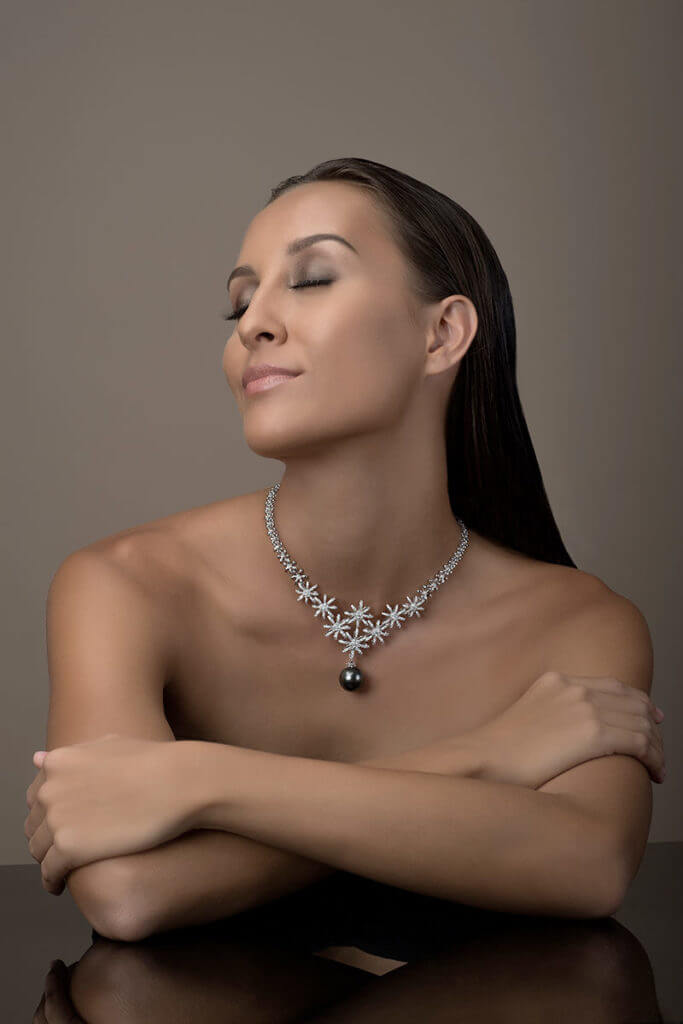
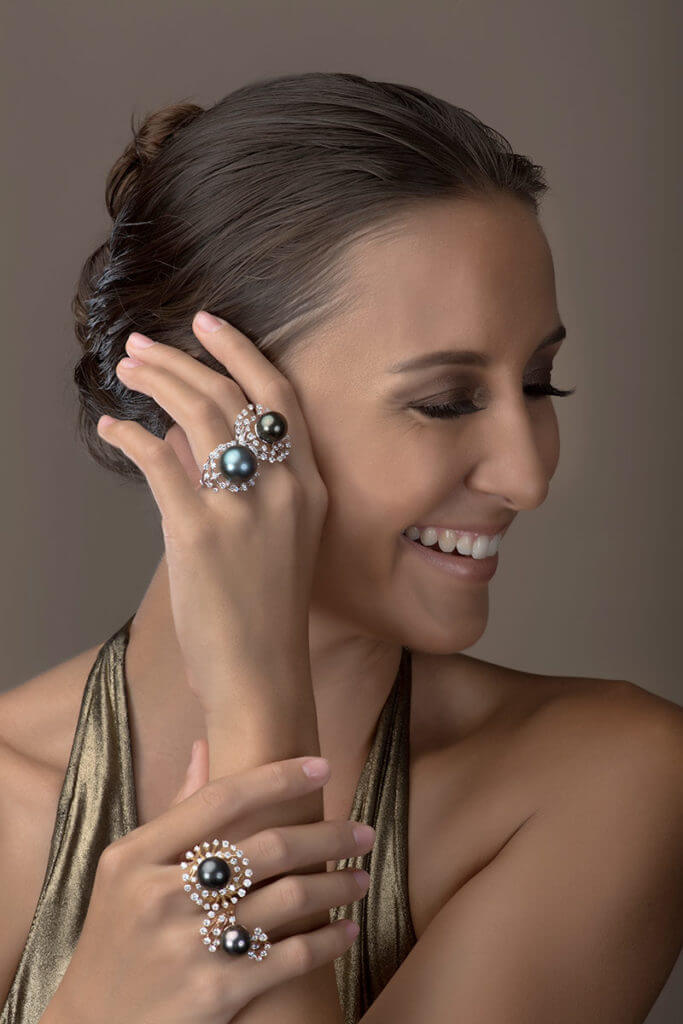
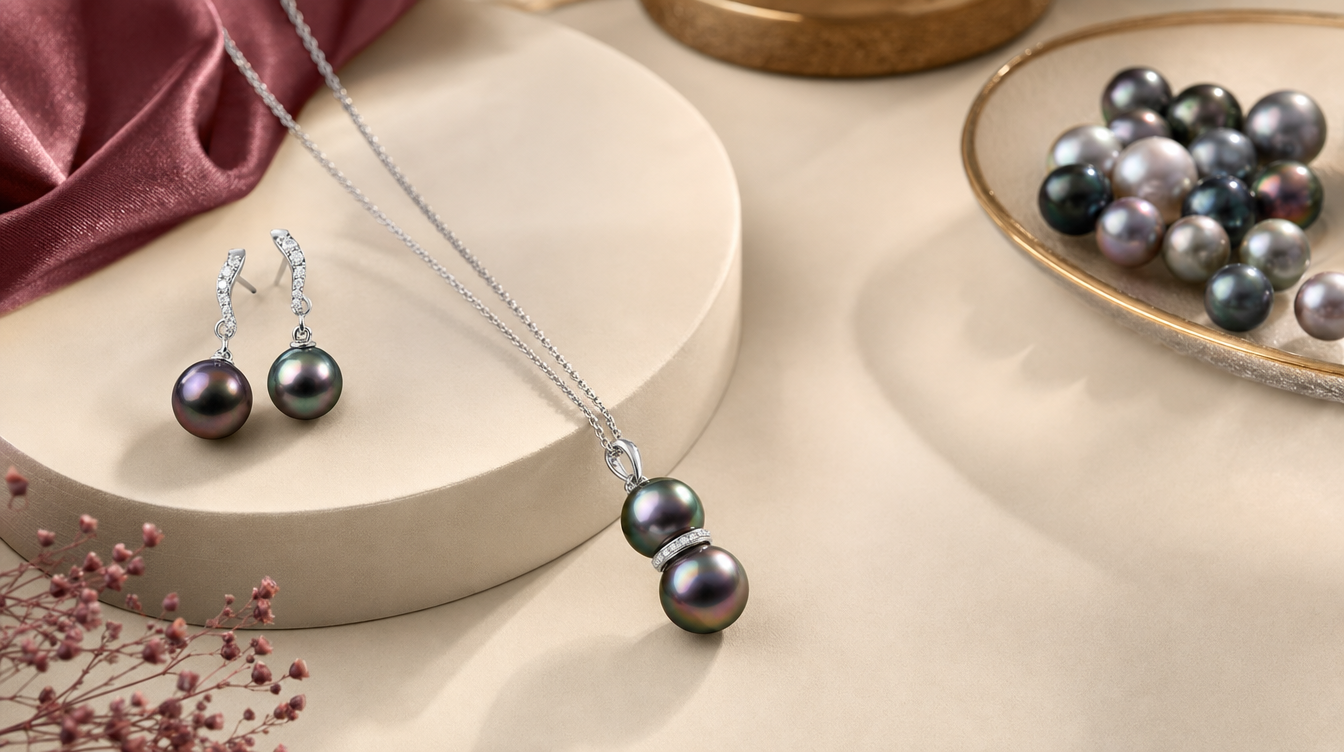
Despite the name, a “black” Tahitian pearl is rarely solid black. Held up to the light, it reveals a spectrum most people don’t expect: charcoal grey, peacock green, deep aubergine, dove silver, midnight blue — and yes, genuine pink Tahitian pearls and blue Tahitian pearls do exist, as naturally-occurring overtones rather than separate varieties. The most prized combination is a dark base tone carrying a strong “peacock” overtone — a shifting green-and-purple sheen that seems to move as the pearl catches the light, almost like the surface of the lagoon it came from. There’s no single “correct” color. It comes down to what flatters the wearer — some collectors chase the rare, almost-true-black pearls; others prefer the softer silvers, blues, or pink-toned pieces. What matters more for value than the exact hue is the consistency and depth of that overtone across the surface.
Tahia’s Grading System: What A, B, C and D Actually Mean
Every Tahia pearl is graded on a four-tier scale based on surface quality:
- Class A — tiny surface imperfections limited to less than 10% of the pearl’s total surface
- Class B — imperfections covering less than a third of the surface
- Class C — imperfections covering less than two-thirds
- Class D — more than two-thirds affected
The vast majority of Tahia Exquisite Tahitian Pearl jewelry uses grade A and B pearls — the rare, nearly flawless ones reach what we call “superstar” status. Beyond surface quality, three other factors shape a pearl’s overall beauty and price:
- Luster — the single biggest factor in perceived beauty. High luster gives a sharp, almost mirror-like reflection; always view a pearl in natural daylight before deciding.
- Shape — perfectly round is the rarest, followed by drop, button, and baroque (irregular, sculptural shapes) — each prized in its own way.
- Size — Tahitian pearls typically measure 8-16mm, notably larger than most cultured pearls from other regions.
Our staff includes GIA-certified pearl experts, so every grade you see on a Tahia certificate reflects a standard assessed the same way, piece after piece. For the full breakdown, see Quality by Tahia.
Tahitian Pearls vs. Akoya and South Sea Pearls
Buyers new to pearls often ask how a Tahitian pearl compares to the more familiar Akoya or South Sea varieties:
- Akoya pearls (Japan) are smaller, typically white or cream, prized for a very high, sharp luster — a more classic, formal look.
- South Sea pearls (Australia, Indonesia, Philippines) are the largest cultured pearls, usually white or golden, with a softer, satin-like luster.
- Tahitian pearls stand apart on color alone — the only naturally dark cultured pearl produced at scale — sitting in a similar size range to South Sea pearls, but with a bolder, more graphic presence.
None is objectively “better.” Tahitian pearls simply occupy a category the others can’t touch.
Choosing Your First Piece: Bracelet, Necklace, or Single Pearl
A Tahitian pearl bracelet is often the easiest entry point — a few pearls, worn daily, without the commitment of a full strand. It’s also a natural gift for a first-time buyer who wants to feel the weight and luster in person before choosing something bigger. Browse ours in the Essentials collection. A Tahitian pearl necklace or full strand is a different kind of piece — bolder, usually the centerpiece of an outfit rather than a quiet accent. Because a strand shows off dozens of pearls side by side, matching for consistent color and luster matters even more than on a single-pearl piece. See our strands or the more elaborate Signatures collection for statement pieces. A single pendant or stud earrings sit in between — understated, personal, and usually the first piece someone buys for themselves.
Caring for Your Tahitian Pearls
The short version: put pearls on last, after perfume and hairspray; wipe them gently after wearing; store them separately from harder jewelry. Nacre is a living, organic material — it needs a bit more care than a diamond, but rewards it with a luster that only improves the more it’s worn. For the full routine, including how often to have a strand re-strung, see our dedicated pearl care guide.
Buying With Confidence
Every Tahia pearl comes with a certificate of authenticity and origin, and every purchase is backed by a 30-day exchange policy, free repairs for manufacturing defects within the first year, and a lifetime upgrade program on pieces over $2,000 USD. Tahia Pearls ships worldwide directly from our stores in Tahiti — see our guarantees for the full detail. Tahia Pearls doesn’t operate an online checkout — pieces are made to be seen and chosen in person, or through a personal quote. Browse the Essentials or Signatures collection, then contact us for pricing and availability.
Where the Legend Continues
No photograph fully captures how a Tahitian pearl’s overtone shifts as it catches the light — it’s something you notice the moment you hold one. If the legend at the start of this guide caught your attention, our Fakarava pearl farm page is where the real story continues, long after Oro’s rainbow faded.