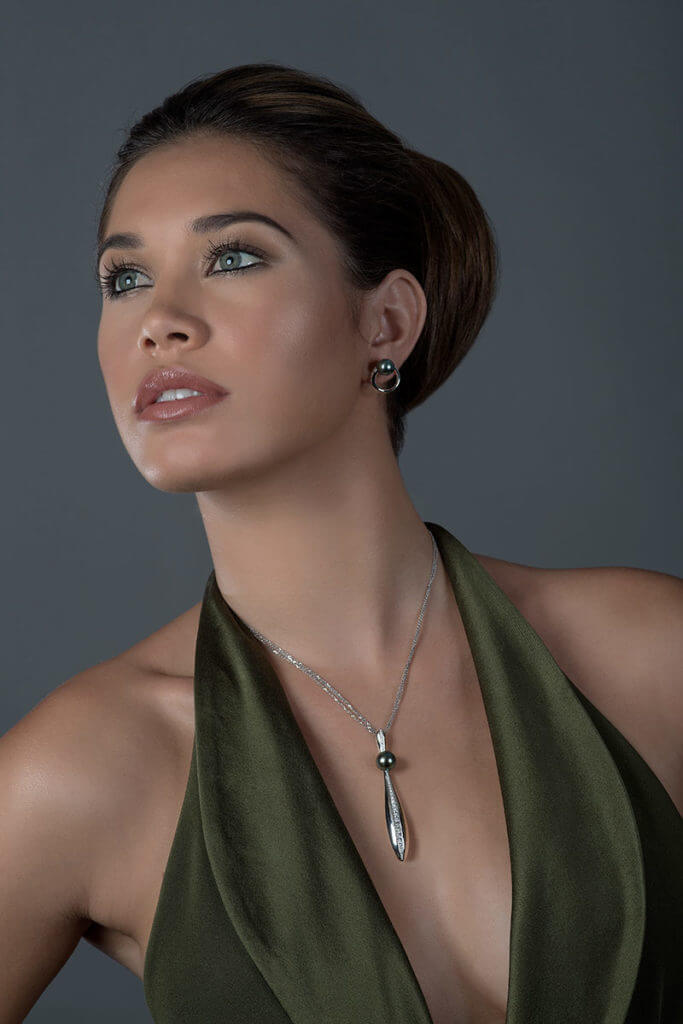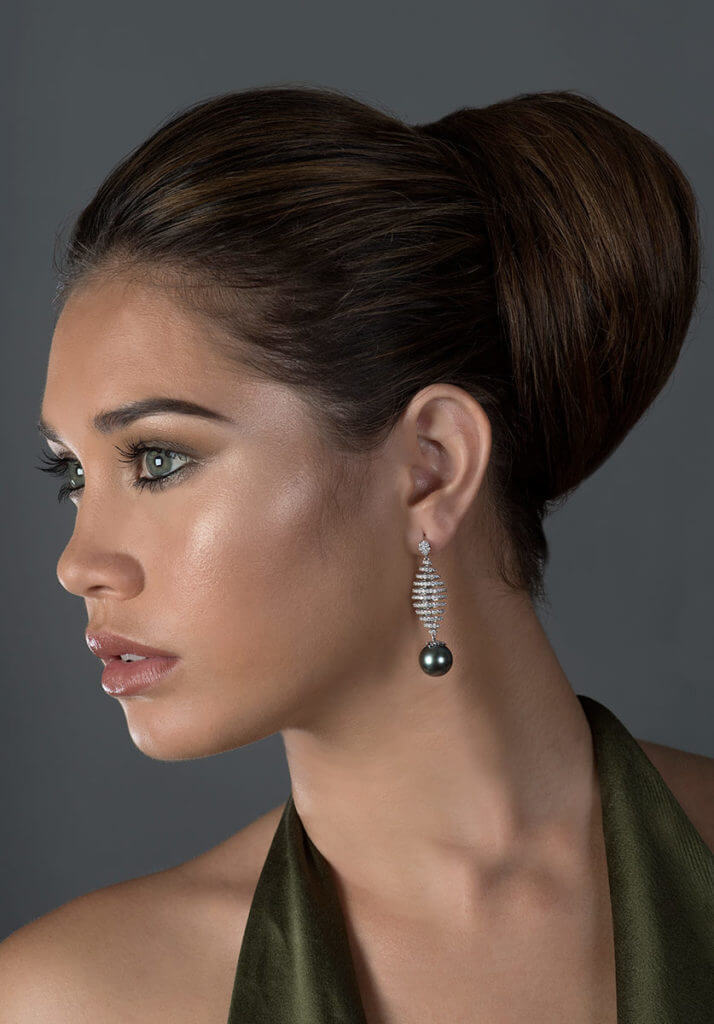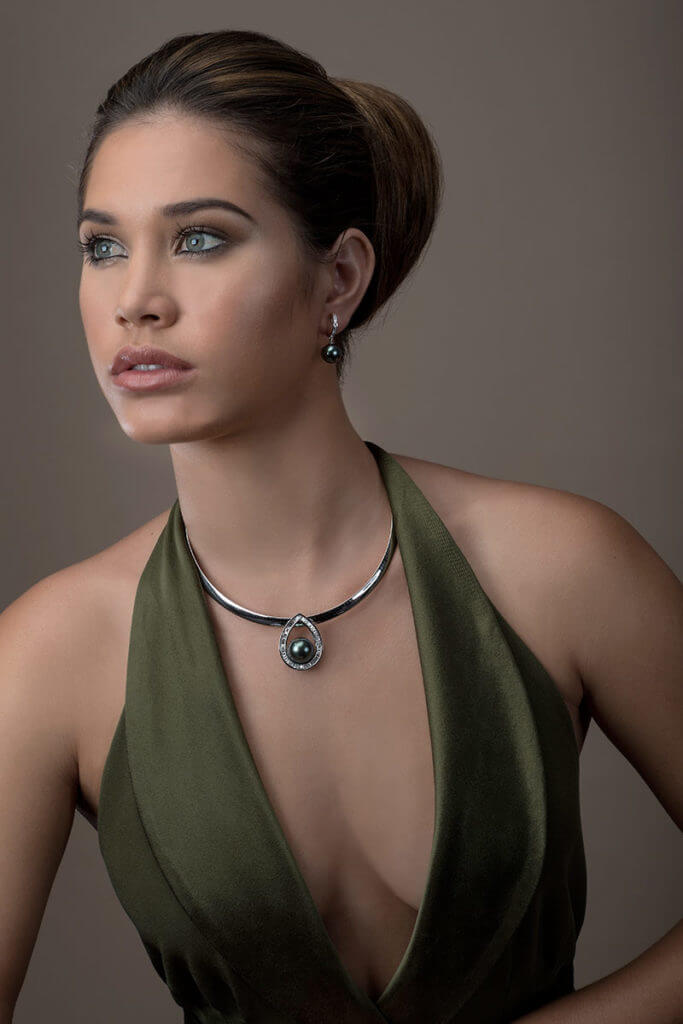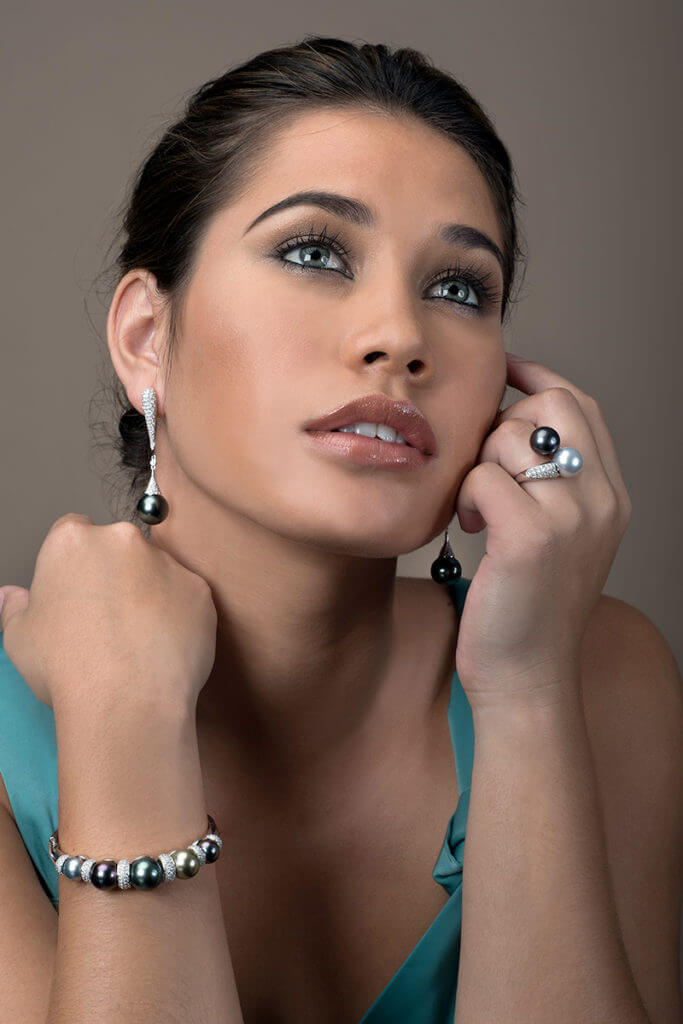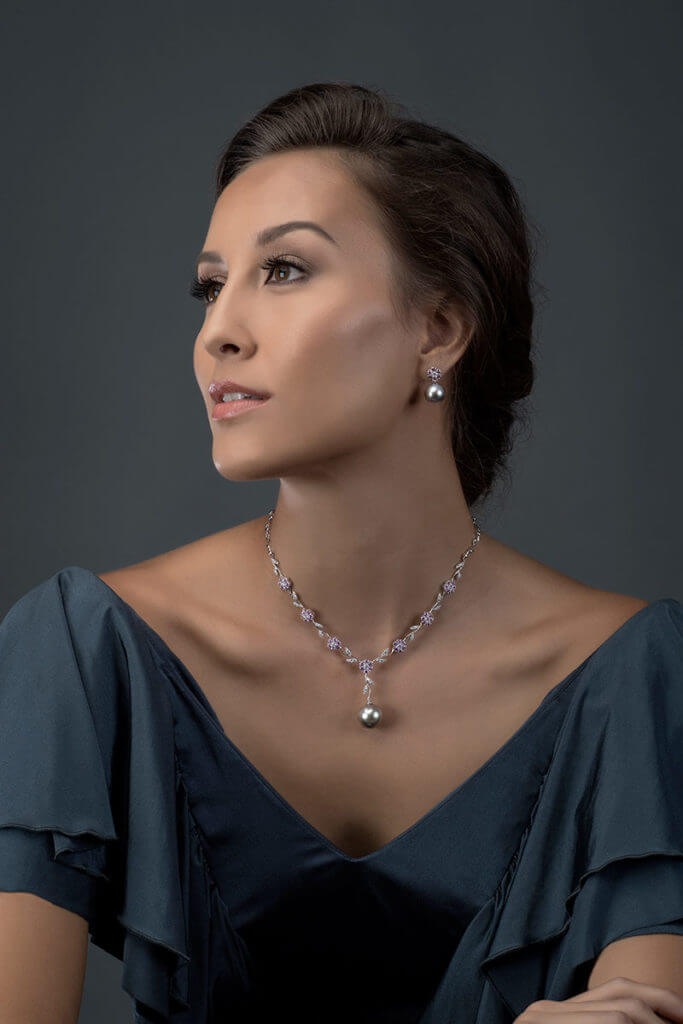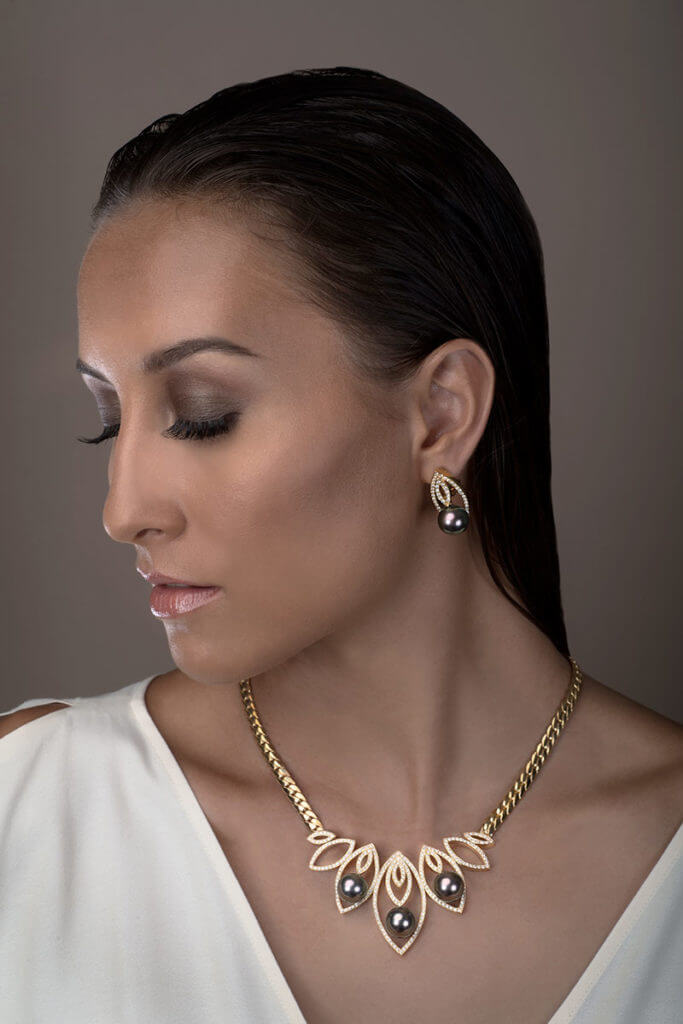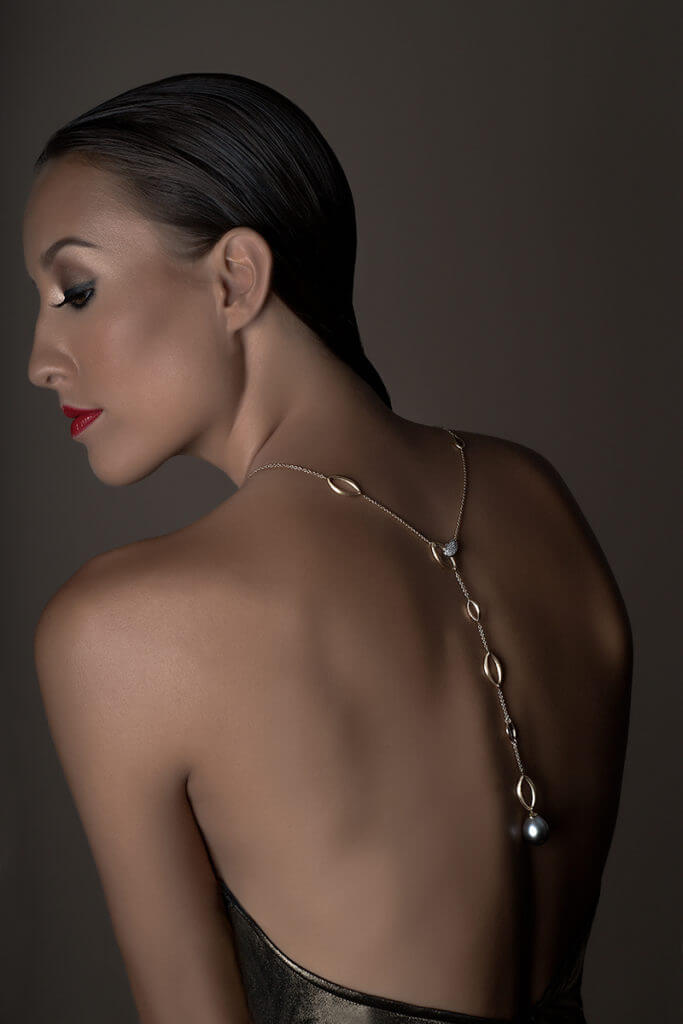

Here’s the truth: most of what people believe about black pearls is either outdated, oversimplified, or simply wrong. And for anyone about to spend real money on one, that gap between myth and reality matters. A pearl’s origin isn’t a footnote — it’s the difference between a natural treasure grown over years in a living lagoon, and a dyed imitation with no real story behind it.
At Tahia Pearls, we sell origin as much as we sell jewelry. So before you buy your next Tahitian pearl, let’s separate what’s true from what’s just a good sales pitch.
Where Do Black Pearls Really Come From?
Black pearls are not mined, and they’re not found lying on a beach. Every genuine black pearl comes from a living oyster, cultivated for years in carefully managed lagoon waters — almost always in one place on Earth: French Polynesia.
That’s the short answer. The longer, more useful answer is what this article is really about: which oyster, which islands, and how to tell a real one from a convincing fake. Because “black pearl” has become a marketing phrase used loosely all over the world — slapped on dyed freshwater pearls, Akoya pearls, even glass beads. Not everything sold as a black pearl grows the way a Tahitian pearl does.
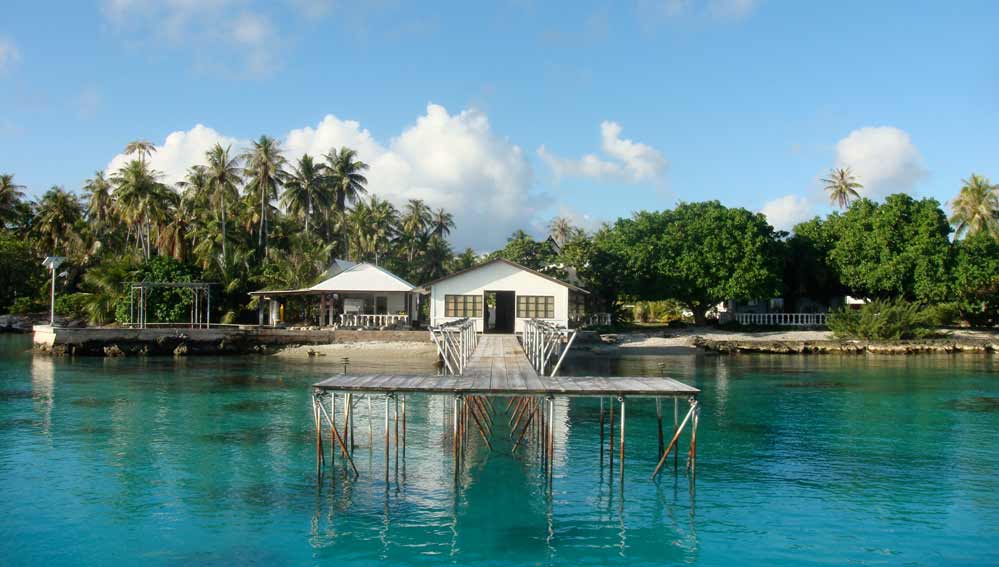
Tahitian pearls are farmed in remote atolls like Fakarava, far from the island of Tahiti.
It’s Not Sand — How a Black Pearl Actually Forms
You may have heard that a pearl starts life as a grain of sand. It’s a nice image, but it isn’t how it works — not for Tahitian pearls, and not for most cultured pearls today.
A Tahitian black pearl begins when a small nucleus is carefully grafted into the reproductive tissue of an oyster. The oyster responds the way it would to any irritant: it coats the intruder in nacre, the same lustrous substance that lines the inside of its shell. Layer after layer, over roughly 18 months to several years, that nacre builds into a pearl.
We go into this process — and how it shapes a pearl’s size, shape, and value — in much more detail in our Tahitian Pearl Buying Guide. What matters here is simpler: the process only works with one specific oyster, and it only works well in a handful of places in the world. That’s where the real story of origin begins.
The Only Oyster That Grows Naturally Black Pearls
Not every oyster can produce a black pearl — and that’s the part most people never learn.
The pearls we call “black” or “Tahitian” grow almost exclusively inside one species: Pinctada margaritifera, known as the black-lipped oyster. Unlike the oysters used for white Akoya or freshwater pearls, this oyster naturally secretes dark nacre — deep grays, greens, blues, and aubergine tones, often shifting color depending on the light.
That dark coloring isn’t added, dyed, or treated. It comes from natural pigments in the oyster’s own tissue, the same way some people are naturally more freckled than others. This is the single biggest reason genuine Tahitian pearls can’t be replicated cheaply: you need the right oyster, in the right water, or you simply don’t get that color at all.
This is also why a real black pearl is never one flat, uniform black. Look closely at a natural one and you’ll almost always see an overtone — a hint of green, blue, or purple — moving across the surface as it catches the light. A pearl that’s perfectly, uniformly jet black in every direction is worth a second look.

The black-lipped oyster is the only species that naturally grows dark-nacre pearls.
“Tahitian” Doesn’t Mean Tahiti — The Real Geography of Black Pearl Origins
Here’s the twist that surprises most people: very few black pearls are actually grown near the island of Tahiti.
Tahiti is the capital of French Polynesia, its main airport, and historically its main trading port — which is exactly why the pearls carry its name. But the oysters themselves are cultivated far from the city, in the remote, pristine lagoons of the Tuamotu and Gambier archipelagos — atolls like Fakarava, Manihiki, and Ahe — where water is clean, currents are strong, and human activity is minimal. Outside French Polynesia, the only other place producing black pearls at meaningful scale is the Cook Islands, whose lagoons share similar conditions.
In other words: “Tahitian pearl” is a commercial name, not a farming address. Tahiti is where pearls are graded, sold, and shipped to the world — not where they’re born.
Our own pearls are sourced primarily from the Fakarava Pearl Dreams farm, deep in the Tuamotu Archipelago, where our founder Tahia personally selects more than 13,000 pearls a year before they ever reach a showcase. You can see the farm itself, and how the oysters are raised, on our Fakarava Pearl Farm page — and read more on the broader growing process on The Tahitian Pearl and Culture of the Tahitian Pearls.
The Hawaii Myth (and Why It Matters Everywhere)
If you’ve ever shopped for pearls on vacation, you may have encountered this exact scene: a boutique near a beach, black pearls in the window, a salesperson describing them as “local” or “island” pearls. Hawaii is one of the most common places this happens.

“Local” island pearls are often imported from French Polynesia and simply rebranded.
Here’s the reality: Hawaii does not have a commercial black pearl industry. The warm, shallow waters that make its beaches so appealing are not the conditions Pinctada margaritifera needs to thrive at scale. Almost every “Hawaiian black pearl” sold in island shops has, in fact, been imported — most often from French Polynesia — and simply marketed as local because that’s what tourists are primed to buy.
It’s a small example of a much bigger pattern. Around the world, black pearls are routinely sold with vague or misleading origin stories, because most buyers never ask where the pearl actually came from. The lesson isn’t just “don’t get fooled in Hawaii.” It’s that origin claims deserve the same scrutiny you’d give a diamond’s certificate — no matter where you’re standing when you hear them.
Natural or Dyed? How to Tell the Difference
Even once you know the right oyster and the right islands, one problem remains: a huge share of “black pearls” on the market — often dyed freshwater or Akoya pearls — are made to imitate the real thing. Fortunately, there are a few concrete signs you can look for.

Dye pools around the drill hole — a natural pearl keeps its colour all the way to the edge.
Color depth. A natural Tahitian pearl’s color runs through the nacre itself, layer by layer. A dyed pearl’s color sits closer to the surface — which means it can look artificially flat or uneven under close light.
The drill hole test. This is the single most reliable clue, and it’s one most buyers never think to check. Look closely at the edges of the drill hole. On a dyed pearl, dye often pools or concentrates right at that opening, leaving a visibly darker ring or stain that doesn’t match the rest of the surface. A natural pearl’s color stays consistent all the way to the hole.
Overtone and shift. As mentioned earlier, natural pearls shift subtly in color as they move under light — green, blue, aubergine. Dyed pearls tend to hold one flat shade, with little to no shift.
No verifiable certificate. This is the simplest test of all. A pearl with genuine French Polynesian origin should come with documentation to prove it — not just a seller’s word.
Which brings us to the part of this article we can speak to with total confidence: how we handle origin, ourselves.

From Lagoon to You: Tahia’s Own Origin Story
Every pearl we sell starts at the Fakarava Pearl Dreams farm, in the same remote Tuamotu lagoons described above — not a stock photo of a lagoon, an actual, named farm we work with directly.
From there, our founder Tahia personally selects more than 13,000 pearls a year, before any pearl is even considered for a piece of jewelry. Each one is assessed by our GIA-certified staff (Gemological Institute of America), then classified through our in-house grading system — A, B, C, or D — based primarily on surface quality. Grade A means less than 10% visible imperfection; the majority of the pearls in our collections are Grade A or B.
Every purchase comes with a certificate of authenticity confirming French Polynesian origin, natural (non-dyed) color, and a minimum nacre thickness of 0.8mm — the same threshold regulators use to define a genuine cultured pearl. You can read the full detail of our classification on Quality by Tahia.
We also stand behind what we sell: a 30-day exchange or refund on unaltered pieces, one year of free repairs for manufacturing defects, and a lifetime upgrade program on purchases over $2,000. Full details are on our Guarantees page. Wherever you are in the world, we ship directly from our boutiques in Tahiti.
If you’ve read this far, you already know more about where black pearls really come from than most people shopping for one. The next step is simple: request a quote and let us walk you through a pearl whose origin we can actually prove — or contact us with any question about a piece you have in mind.